SSDs: Martkübersicht mit 56 Modellserien
Special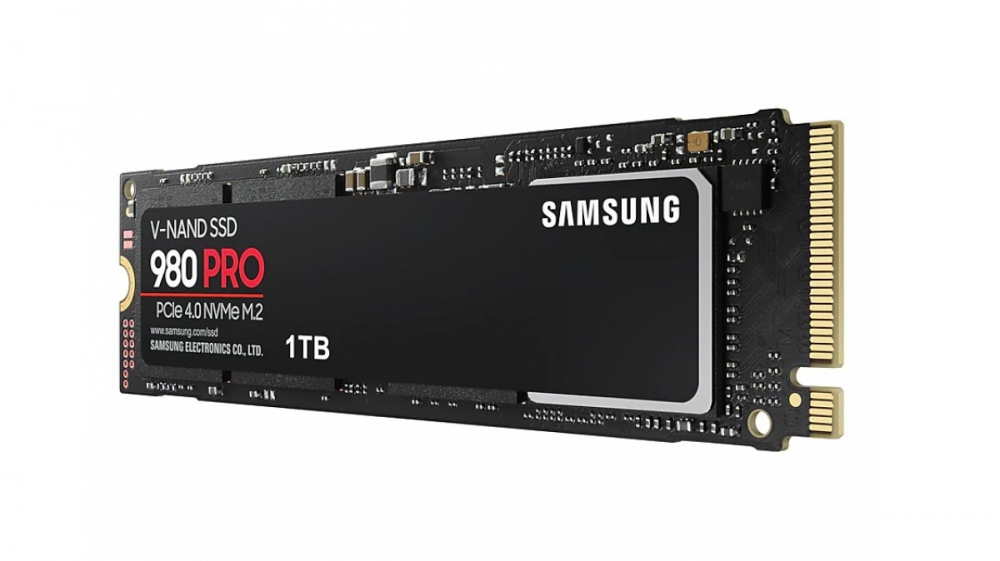
In unserem Special erklären wir die Unterschiede zwischen Festplatten, SATA-SSDs und M.2-SSDs, um euch die Wahl für eine passende SSD zu erleichtern. Neben einer Marktübersicht mit mehr als 50 Modellserien geht es zudem auch um SSDs für die Playstation 5, die man mit der neuesten Beta-Version des Betriebssystems mit einer M.2-SSD erweitern kann.
Marktübersicht mit 56 SSD-Serien
Wir kommen nun zu einer Marktübersicht, in der wir auf drei Tabellen 56 SSD-Modellserien zusammengefasst haben. Pro Serie listen wir bei den SATA-SSDs die Preise für die SSDs mit den Speicherkapazitäten 512GB, 1000GB und 2000GB. Modelle mit 4000GB werden wir separat im Text unter der ersten Tabelle unterbringen. Bei den M.2-SSDs listen wir Modelle mit 1000GB, 2000GB und 4000GB Speicherplatz - hier bieten wir zwei Tabellen, eine davon mit besonders schnellen PCIe 4.0-SSDs.
In diesem Artikel
Übersicht: SATA-SSDs
Für eine SATA-SSD benötigt ihr einen freien SATA-Port am Mainboard und ein passendes SATA-Kabel sowie einen SATA-Stromstecker vom Netzteil. Für den Einbau haben Gehäuse oftmals kleinere Einbauplätze als die für Festplatten. Die SSD selbst kann im Gegensatz zu einer Festplatte durch einen harten Stoß nicht beschädigt werden und muss daher nicht zwingen in einem Schacht festgeschraubt werden. Zur Not kann man eine SSD aber sogar einfach ins Gehäuse legen und beispielsweise mit einem Kabelbinder fixieren, damit sie beim Transport nicht gegen das Mainboard oder andere empfindliche Teile stößt. Dies ist unsere Übersicht mit 25 SSD-Serien - da, wo Preise fehlen, gibt es kein entsprechendes Modell mit der jeweiligen Kapazität:
| SSD-Modellserie | Preis 480/512GB | Preis 960/1000GB | Preis 2000GB | ||
|---|---|---|---|---|---|
| Crucial BX500 | 45 Euro | 85 Euro | 165 Euro | ||
| Patriot Burst Elite | 50 Euro | 90 Euro | |||
| Intenso High Performance | 50 Euro | 85 Euro | |||
| Kingston A400 | 50 Euro | 90 Euro | 190 Euro | ||
| Emtec X150 SSD Power Plus | 50 Euro | 90 Euro | 215 Euro | ||
| Gigabyte SSD | 50 Euro | 100 Euro | |||
| Kioxia Exceria | 50 Euro | 85 Euro | |||
| PNY CS900 | 50 Euro | 80 Euro | 215 Euro | ||
| ADATA Ultimate SU650 | 50 Euro | 90 Euro | |||
| Lexar NS100 | 50 Euro | 90 Euro | |||
| Intenso Top Performance | 50 Euro | 85 Euro | |||
| goodram CX400 | 50 Euro | 95 Euro | |||
| Western Digital WD Green | 50 Euro | 90 Euro | 190 Euro | ||
| SanDisk Ultra 3D | 55 Euro | 90 Euro | 190 Euro | ||
| Silicon Power Ace A55 | 55 Euro | 90 Euro | 220 Euro | ||
| SanDisk Plus | 55 Euro | 85 Euro | 165 Euro | ||
| Seagate BarraCuda Q1 | 55 Euro | 95 Euro | |||
| Transcend SSD220Q | 55 Euro | 100 Euro | 195 Euro | ||
| Western Digital WD Blue | 55 Euro | 95 Euro | 190 Euro | ||
| Verbatim Vi550 S3 | 55 Euro | 100 Euro | |||
| Crucial MX500 | 55 Euro | 100 Euro | 190 Euro | ||
| ADATA Ultimate SU800 | 60 Euro | 105 Euro | 210 Euro | ||
| BIWIN HP S700 | 60 Euro | 100 Euro | |||
| Western Digital WD Red | 65 Euro | 110 Euro | 240 Euro | ||
| Samsung SSD 870 EVO | 70 Euro | 110 Euro | 250 Euro |
Ein Hinweis: Die 25 Modellserien verteilen sich auf drei Seiten - ihr könnt die einzelnen Kategorien selbst neu ordnen. Je nach Speicherchip-Art haben die SSDs zwischen 480 und 512GB, 960 und 1000GB oder 1920 bis 2000GB Kapazität. Die vier günstigsten SATA-Modelle mit 4TB Speicherplatz sind die 4TB-Versionen der SanDisk Ultra 3D (350 Euro), der Samsung 870 QVO (370 Euro) und Samsung 870 EVO (405 Euro) sowie Western Digital WD Blue (400 Euro).
Übersicht: M.2-SSDs
Für die M.2-SSDs muss euer Mainboard einen passenden Slot haben - bei modernen Mainboards ist dieser stets vorhanden, wobei PCIe 4.0 bei Intel erst seit Kurzem Einzug gehalten hat. Wir haben die Werte für die Lese- und Schreib-Geschwindigkeit mit in die zwei Tabellen einbezogen - diese beziehen sich jeweils auf die 1TB-Variante der genannten SSD-Serien. In der Regel sind kleinere Modelle nicht selten etwas langsamer, bei größeren Modellen kann es sein, das die Werte der 1TB entsprechen. Manchmal sind die Werte ein wenig schneller, in Einzelfällen auch wenig langsamer. Die Unterschiede sind aber gering, sodass wir es für die Übersicht bei den Werten für die 1TB-Versionen belassen. Die erste Tabelle zeigt euch M.2-SSDs mit PCIe3.0, unter denen auch drei 4.0-SSDs sind, die aber nicht schnell genug für unsere weiter unten folgende zweite Tabelle sind. Alle Modelle können mindestens mit 2500 MB/s lesen und 2000 MB/s schreiben. Dies ist unsere Auswahl:
| SSD-Modellserie | M2.PCIe-Art | Leserate | Schreibrate | Preis 1TB | Preis 2TB | Preis 4TB |
|---|---|---|---|---|---|---|
| Lexar NM620 | PCIe 3.0 | 3300 MB/s | 3000 MB/s | 110 Euro | ||
| Corsair MP400 R2 | PCIe 3.0 | 3480 MB/s | 3000 MB/s | 230 Euro | ||
| Western Digital WD Black SN750 | PCIe 3.0 | 3470 MB/s | 3000 MB/s | 110 Euro | 310 Euro | 900 Euro |
| ADATA XPG SX8200 Pro | PCIe 3.0 | 3350 MB/s | 2800 MB/s | 110 Euro | 230 Euro | |
| Samsung SSD 980 | PCIe 3.0 | 3500 MB/s | 3000 MB/s | 110 Euro | ||
| GIGABYTE NVMe SSD M.2 228 | PCIe 3.0 | 2500 MB/s | 2100 MB/s | 110 Euro | ||
| Kingston KC2500 NVMe | PCIe 3.0 | 3500 MB/s | 2900 MB/s | 110 Euro | 220 Euro | |
| KIOXA Exceria Plus | PCIe 3.0 | 3400 MB/s | 3200 MB/s | 120 Euro | 280 Euro | |
| Seagate FireCuda 510 | PCIe 3.0 | 3450 MB/s | 3100 MB/s | 120 Euro | 300 Euro | |
| Silicon Power P34A80 | PCIe 3.0 | 3400 MB/s | 2700 MB/s | 130 Euro | ||
| ADATA XPG Gammix S11 Pro | PCIe 3.0 | 3350 MB/s | 2800 MB/s | 130 Euro | 240 Euro | |
| Seagate BarraCuda 510 | PCIe 3.0 | 3400 MB/s | 3000 MB/s | 130 Euro | ||
| SanDisk Extreme Pro NVMe 3D | PCIe 3.0 | 3400 MB/s | 2800 MB/s | 130 Euro | 315 Euro | |
| Crucial P5 | PCIe 3.0 | 3400 MB/s | 3000 MB/s | 135 Euro | 245 Euro | |
| Corsair Force Series MP510 / MP510B | PCIe 3.0 | 3480 MB/s | 3000 MB/s | 135 Euro | 270 Euro | 710 Euro |
| PNY XLR8 CS3030 | PCIe 3.0 | 3500 MB/s | 3000 MB/s | 140 Euro | 230 Euro | |
| ADATA XPG Gammix S50 Lite | PCIe 4.0 | 3800 MB/s | 3200 MB/s | 140 Euro | 310 Euro | |
| Samsung SSD 970 EVO Plus | PCIe 3.0 | 3500 MB/s | 3300 MB/s | 145 Euro | 290 Euro | |
| Corsair Force Series MP600 | PCIe 4.0 | 4950 MB/s | 4250 MB/s | 160 Euro | 235 Euro | 610 Euro |
| Transcend MTE240S | PCIe 4.0 | 3800 MB/s | 3200 MB/s | 165 Euro |
Zum Abschluss bieten wir nun noch eine Tabelle mit besonders schnellen PCie4.0-SSDs, die mehr als 5500 MB/s Lesegeschwindigkeit haben und somit die PS5-Voraussetzungen erfüllen:
| SSD-Modellserie | Leserate | Schreibrate | Preis 1TB | Preis 2TB | Preis 4TB |
|---|---|---|---|---|---|
| PNY XLR8 CS3040 | 5600 MB/s | 4300 MB/s | 160 Euro | 330 Euro | 570 Euro |
| Samsung OEM Client PM9A1 | 7000 MB/s | 5000 MB/s | 150 Euro | 270 Euro | |
| Western Digital WD Black SN850 | 7000 MB/s | 5300 MB/s | 165 Euro | 345 Euro | |
| ADATA XPG Gammix S70 | 7400 MB/s | 5500 MB/s | 180 Euro | 300 Euro | |
| Samsung SSD 980 Pro | 7000 MB/s | 5000 MB/s | 180 Euro | 400 Euro | |
| Corsair Force Series MP600 Pro | 7000 MB/s | 5500 MB/s | 190 Euro | 370 Euro | 960 Euro |
| Crucial P5 Plus | 6600 MB/s | 5000 MB/s | 190 Euro | 380 Euro | |
| MSI Spatium M480 | 7000 MB/s | 5500 MB/s | 190 Euro | 380 Euro | |
| Gigabyte AORUS Gen4 7000S | 7000 MB/s | 5500 MB/s | 200 Euro | 390 Euro | |
| Seagate FireCuda 530 | 7300 MB/s | 6000 MB/s | 220 Euro | 460 Euro | 900 Euro |
| Patriot Viper VP4300 | 7400 MB/s | 5500 MB/s | 220 Euro | 460 Euro |
Ein wichtiger Hinweis für PS5-Nutzer: Die Preise der Seagate FireCuda 530 beziehen sich auf die Version ohne Kühlkörper - die Variante mit Heatsink ist aktuell noch nicht verfügbar, aber mit einem Preisaufschlag von (je nach Kapazität) 50 bis 80 Euro gelistet.